


The rapid advancement of AI and cloud technology is unlocking groundbreaking opportunities for businesses. At this event, with over 60 attendees, experts from SAP, TDI APJ, and Cloud4C Vietnam shared strategic insights and practical solutions to help enterprises leverage technology to enhance efficiency, optimize costs, and build a sustainable competitive edge.
🤝 The highlight of the event was the open discussions between industry leaders, experts, and attendees. Thought-provoking questions on AI & Cloud adoption in business operations sparked dynamic conversations, creating a vibrant learning environment where ideas were exchanged and inspiration was shared.
A huge thank you to all our guests for making this event a success! We at TDI APJ believe that with the strategies and technologies discussed, businesses will be well-equipped to embrace digital transformation and thrive in the new era.
How can enterprises leverage Artificial Intelligence (AI) and Cloud technology to improve operational efficiency, optimise costs, and strengthen business control?
On April 2, 2025, the event “AI-Powered Future: The Next Generation of Enterprise Control” brought together over 60 attendees at New World Saigon Hotel, Vietnam. Experts from SAP, TDI APJ, and Cloud4C Vietnam shared perspectives on AI adoption, cloud transformation, and the opportunities these technologies create for modern enterprises.
The event provided a platform for business leaders and technology professionals to explore how emerging technologies can support enterprise operations, improve decision-making, and drive sustainable business growth.
Exploring the Future of AI and Cloud for Enterprises
As businesses navigate increasingly complex operating environments, AI and Cloud technologies are becoming important tools for improving efficiency, flexibility, and competitiveness.
However, successful digital transformation requires more than adopting new technology. Organisations also need connected business processes, reliable data, and a clear strategy for turning innovation into measurable business outcomes.
The event brought together expertise from SAP, TDI APJ, and Cloud4C Vietnam to explore these challenges and opportunities, with a focus on the practical application of AI and Cloud technologies in enterprise environments.
Why AI and Cloud Matter for Enterprise Operations
For enterprises managing complex business processes, AI and Cloud technologies offer opportunities to strengthen operational control and improve responsiveness to changing market conditions.
Improving operational efficiency with AI
Enterprise AI can support organisations by automating repetitive tasks, identifying patterns in business data, and providing insights to improve planning and decision-making.
Potential applications include demand forecasting, financial analysis, supply chain optimisation, and intelligent business process automation. The value of these applications depends on the quality of business data and how effectively AI is integrated into existing workflows.
Building a flexible foundation with Cloud ERP
Cloud-based enterprise systems can help organisations connect business functions, improve information accessibility, and support more standardised processes across departments and locations.
Solutions such as SAP Cloud ERP provide an integrated foundation for managing core business operations, including finance, procurement, supply chain, and other enterprise processes.
By connecting operational data and processes, businesses can establish a stronger foundation for analytics, automation, and future AI adoption.
Strengthening business control and data-driven decisions
Enterprise control increasingly depends on the ability to access reliable information, monitor business performance, and respond quickly to operational challenges.
Integrating AI capabilities with enterprise systems can support more timely insights and help organisations move from reactive problem-solving toward proactive decision-making.
Connecting Technology Insights with Real Business Challenges
One of the highlights of the event was the open discussion between industry leaders, technology experts, and attendees.
Questions around AI and Cloud adoption in business operations encouraged meaningful exchanges on how organisations can approach digital transformation while balancing efficiency, investment, and operational requirements.
These discussions reflected an important consideration for businesses: technology adoption should start with clearly defined business challenges and a practical roadmap, rather than technology implementation alone.
TDI APJ: Supporting Enterprise Transformation with SAP and AI
As an experienced SAP partner in Vietnam, TDI APJ helps enterprises modernise business operations through SAP consulting, ERP implementation, and system integration services.
With industry experience across manufacturing, retail, and other enterprise sectors, TDI APJ focuses on understanding business processes and aligning technology solutions with operational requirements.
Beyond ERP implementation, TDI APJ continues to explore practical AI applications that can complement enterprise systems and support business process improvement.
By connecting SAP expertise with business-focused innovation, TDI APJ aims to help organisations build scalable digital foundations and identify opportunities to create value from emerging technologies.
Moving Forward: From Digital Transformation to Business Value
The AI-Powered Future event highlighted the growing importance of combining enterprise technology, business expertise, and collaboration to support digital transformation.
We sincerely thank all attendees, speakers, and participating organisations for contributing to an engaging and insightful event. Special thanks to SAP and Cloud4C Vietnam for sharing their expertise and perspectives.
At TDI APJ, we believe that successful innovation begins with a clear understanding of business needs, supported by the right technology and long-term commitment to continuous improvement.
Looking to explore SAP Cloud ERP or AI opportunities for your business? Connect with TDI APJ to discuss your digital transformation priorities with our team.

Hội thảo “GIẢI PHÁP ÁP DỤNG THÀNH CÔNG IFRS” đã thu hút hơn 100 khách mời, với nhiều chia sẻ từ các chuyên gia về Chuẩn mực Báo cáo Tài chính Quốc tế (IFRS).
Đồng hành cùng hội thảo, các chuyên gia của TDI APJ đã nhấn mạnh vai trò quan trọng của hệ thống SAP trong việc hỗ trợ doanh nghiệp trong lộ trình chuyển đổi từ Chuẩn mực Kế toán Việt Nam (VAS), cũng như tuân thủ và triển khai hiệu quả IFRS.
TDI APJ – Đối tác Vàng của SAP và là đối tác triển khai hàng đầu giải pháp SAP tại Việt Nam, cam kết mang đến cho các doanh nghiệp những xu hướng và giải pháp chuyển đổi số bền vững, giúp các doanh nghiệp tối ưu hóa quy trình tài chính của mình theo chuẩn mực quốc tế.
Ngày 15/10/2024, TDI APJ tổ chức webinar “Vai trò của công nghệ trong ngành dược”, dành cho các doanh nghiệp sản xuất và phân phối dược phẩm. Chương trình xoay quanh một câu hỏi thực tế: công nghệ trong ngành dược giúp doanh nghiệp tối ưu quy trình sản xuất, giảm chi phí và nâng cao chất lượng sản phẩm như thế nào?

Bối cảnh: ngành dược trước nhiều áp lực
Ngành dược phẩm đang đối mặt với nhiều thách thức cùng lúc. Cạnh tranh ngày càng gay gắt, trong khi các quy định về sản xuất như GMP, hồ sơ lô và truy xuất nguồn gốc ngày càng nghiêm ngặt.
Trong bối cảnh đó, ứng dụng công nghệ không còn là xu hướng mà đã trở thành yếu tố cốt lõi. Công nghệ giúp doanh nghiệp dược nâng cao chất lượng sản phẩm, chuẩn hóa quy trình và kiểm soát chi phí tốt hơn.
Thông tin webinar
- Chủ đề: Vai trò của công nghệ trong ngành dược
- Thời gian: 15:00 – 16:00, thứ Ba, ngày 15/10/2024
- Hình thức: Zoom Webinar (talkshow trực tuyến)
- Đơn vị tổ chức: TDI APJ
- Đối tượng: doanh nghiệp sản xuất, phân phối dược phẩm và cơ sở y tế
Tại webinar, TDI APJ cùng các chuyên gia trao đổi về những giải pháp công nghệ giúp doanh nghiệp dược tối ưu quy trình sản xuất, từ đó giảm chi phí và nâng cao chất lượng. Xem lại toàn bộ webinar trong video dưới đây.
Công nghệ hỗ trợ doanh nghiệp dược ở những khâu nào?
Với doanh nghiệp dược, công nghệ tạo giá trị rõ nhất khi được áp dụng vào các khâu vận hành cốt lõi:
Tuân thủ GMP và quản lý chất lượng
Hệ thống số giúp ghi nhận hồ sơ lô, kết quả kiểm nghiệm và các sai lệch (deviation, CAPA) ngay trong quy trình. Nhờ đó, doanh nghiệp luôn sẵn sàng cho kiểm tra, thay vì phải tổng hợp hồ sơ thủ công trước mỗi đợt thanh tra.
Quản lý lô và truy xuất nguồn gốc
Mỗi lô sản xuất được theo dõi từ nguyên liệu đầu vào đến thành phẩm và phân phối. Khi cần thu hồi, doanh nghiệp xác định nhanh các lô bị ảnh hưởng và xử lý kịp thời.
Lập kế hoạch sản xuất và quản lý tồn kho
Dữ liệu tồn kho, hạn dùng và nhu cầu được kết nối, giúp lập kế hoạch sản xuất sát thực tế, hạn chế thiếu hàng hoặc tồn kho quá hạn.
Kiểm soát chi phí và tài chính
Khi sản xuất, kho và tài chính dùng chung một nguồn dữ liệu, doanh nghiệp tính giá thành chính xác hơn và nhìn rõ chi phí theo từng lô, từng sản phẩm.
ERP: nền tảng kết nối các khâu
Để các khâu trên vận hành liền mạch, doanh nghiệp cần một nền tảng ERP tích hợp như SAP Cloud ERP, nơi sản xuất, chất lượng, kho và tài chính cùng làm việc trên một hệ thống. Tìm hiểu thêm: chuyển đổi số ngành dược: từ gánh nặng tuân thủ đến lợi thế cạnh tranh.
TDI APJ đồng hành cùng doanh nghiệp dược
Là đối tác SAP với hơn 28 năm kinh nghiệm, TDI APJ triển khai các giải pháp SAP cho doanh nghiệp sản xuất dược phẩm và cơ sở y tế, từ quản lý lô, chất lượng, kho đến tài chính. Xem thêm các giải pháp cho ngành dược và y tế của TDI APJ.
Doanh nghiệp muốn tìm hiểu cách ứng dụng công nghệ vào vận hành dược phẩm có thể liên hệ TDI APJ để được tư vấn.
Năm 2024, TDI APJ tổ chức webinar “Chuỗi cung ứng trong sản xuất: Đối mặt thách thức, nắm bắt cơ hội”, tập trung vào cách doanh nghiệp tối ưu chuỗi cung ứng để nâng cao hiệu quả và giảm chi phí. Bài viết tổng hợp chủ đề của webinar, kèm video recap và những số liệu đáng chú ý về chuỗi cung ứng trong sản xuất hiện nay.

Vì sao chuỗi cung ứng là yếu tố then chốt trong sản xuất?
Chuỗi cung ứng sản xuất bao gồm mọi bước, từ thu mua nguyên liệu thô, sản xuất, lưu kho đến giao thành phẩm cho khách hàng. Hiệu quả của chuỗi cung ứng ảnh hưởng trực tiếp đến ba yếu tố quan trọng nhất của nhà máy: chất lượng, chi phí và thời gian giao hàng.
Khi một mắt xích chậm trễ, ví dụ nguyên liệu về trễ, tồn kho sai lệch hay kế hoạch sản xuất không khớp với đơn hàng, cả dây chuyền đều chịu ảnh hưởng. Ngược lại, một chuỗi cung ứng được kết nối tốt giúp doanh nghiệp giao hàng đúng hạn, giảm tồn kho dư thừa và phản ứng nhanh với biến động.
Video recap webinar
Webinar diễn ra theo hình thức talkshow trực tuyến, với sự tham gia của TDI APJ và các chuyên gia trong ngành. Xem lại nội dung chính trong video dưới đây.
Những thách thức lớn của chuỗi cung ứng hiện nay
Theo khảo sát Insights into Modern Supply Chain Management của SAP Insights (2024) với 726 lãnh đạo chuỗi cung ứng, các rào cản lớn nhất không chỉ đến từ bên ngoài mà còn nằm ngay trong doanh nghiệp:
- 37,2% lo ngại gián đoạn hoặc điểm yếu trong mua hàng và chuỗi cung ứng
- 34% cho rằng sự chia cắt giữa các phòng ban đang làm chậm tăng trưởng
- 32,3% gặp khó vì thiếu tích hợp giữa các hệ thống
- 31,7% vẫn dùng hệ thống công nghệ lỗi thời, kém hiệu quả
- 31,5% thiếu dữ liệu chất lượng và công cụ để lập kế hoạch, ra quyết định
Điểm chung của các thách thức này là dữ liệu bị phân tán. Mua hàng, kho, sản xuất và tài chính mỗi bộ phận một hệ thống, nên không ai có bức tranh đầy đủ để ra quyết định nhanh và chính xác.
Cơ hội: doanh nghiệp đang ưu tiên điều gì?
Cũng theo khảo sát này, các lãnh đạo chuỗi cung ứng đang tập trung vào việc đơn giản hóa vận hành từ bên trong:
- 64% ưu tiên tích hợp các hệ thống trong toàn doanh nghiệp
- 41,5% muốn tăng tự động hóa quy trình
- 49,3% đặt mục tiêu kiểm soát chi phí và chi tiêu tốt hơn
- 42,3% đầu tư vào công nghệ và phần mềm mới để ứng phó với bất ổn kinh tế
Nói cách khác, cơ hội lớn nhất không nằm ở việc thêm công cụ rời rạc, mà ở việc kết nối các khâu trên một nền tảng chung.
ERP giúp tối ưu chuỗi cung ứng trong sản xuất như thế nào?
Một hệ thống ERP như SAP Cloud ERP kết nối mua hàng, kho, sản xuất, bán hàng và tài chính trên cùng một nguồn dữ liệu. Với chuỗi cung ứng sản xuất, điều này mang lại:
- Kế hoạch sát thực tế: nhu cầu, tồn kho và năng lực sản xuất được nhìn cùng lúc, giúp lập kế hoạch nguyên vật liệu (MRP) chính xác hơn.
- Tồn kho minh bạch: số liệu tồn kho cập nhật theo thời gian thực, giảm thiếu hàng và tồn kho dư.
- Mua hàng chủ động: theo dõi nhà cung cấp, tiến độ giao hàng và chi phí trên một hệ thống.
- Giá thành chính xác: chi phí nguyên vật liệu, nhân công và sản xuất được ghi nhận xuyên suốt đến tài chính.
- Quy trình chuẩn: áp dụng best practice có sẵn của SAP thay vì tùy chỉnh, giúp triển khai nhanh và dễ nâng cấp.
Tìm hiểu thêm: ERP và SCM: vai trò của ERP trong chuỗi cung ứng và tối ưu chuỗi cung ứng với SAP IBP.
Ví dụ thực tế: kho vận tại Yamaha Motor Parts Manufacturing Vietnam
Yamaha Motor Parts Manufacturing Vietnam (YPMV) triển khai SAP Cloud ERP cùng TDI APJ với nguyên tắc hạn chế tùy chỉnh, đạt khoảng 95% áp dụng best practice của SAP. Sau khi đưa phân hệ quản lý kho (EWM) vào vận hành, YPMV ghi nhận:
- Độ chính xác tồn kho tăng từ 92% lên 99,99%
- Thời gian kiểm kê hằng năm giảm từ 5 ngày xuống 1,5 ngày
- Sản lượng lấy hàng mỗi ca tăng khoảng 25%
Xem chi tiết dự án: YPMV xây dựng hệ thống quản trị thống nhất trên cloud.
TDI APJ đồng hành cùng doanh nghiệp sản xuất
Là đối tác SAP với hơn 28 năm kinh nghiệm, TDI APJ triển khai SAP cho doanh nghiệp sản xuất tại Việt Nam, Malaysia và Singapore, từ mua hàng, kho, sản xuất đến tài chính. Doanh nghiệp muốn tối ưu chuỗi cung ứng có thể liên hệ TDI APJ để được tư vấn.
Nguồn số liệu: SAP Insights, “Insights into Modern Supply Chain Management” (khảo sát 726 lãnh đạo chuỗi cung ứng, 2024).
Ngày 18/07/2024, TDI APJ tổ chức webinar “Số hóa vận hành, nâng tầm trải nghiệm khách hàng” dành cho doanh nghiệp bán lẻ. Thông điệp xuyên suốt: trải nghiệm khách hàng bán lẻ không chỉ được tạo ra ở quầy thu ngân hay trên website, mà được quyết định bởi cách doanh nghiệp vận hành phía sau. Khi hàng hóa, tồn kho, giá và dữ liệu khách hàng được quản lý tốt, trải nghiệm phía trước mới có thể tốt.

Thông tin webinar
- Chủ đề: Số hóa vận hành, nâng tầm trải nghiệm khách hàng
- Thời gian: 15:00 – 16:00, thứ Năm, ngày 18/07/2024
- Hình thức: trực tuyến qua Zoom
- Đơn vị tổ chức: TDI APJ
Webinar xoay quanh bốn nội dung: xu hướng công nghệ mới trong ngành bán lẻ, cách ứng dụng công nghệ để nâng cao trải nghiệm khách hàng, tối ưu quy trình vận hành, và chiến lược tạo lợi thế cạnh tranh với SAP và AI, bao gồm hỗ trợ cho marketing và thương mại điện tử. Xem lại webinar trong video dưới đây.
Trải nghiệm khách hàng bắt đầu từ phía sau quầy
Khi nói đến trải nghiệm khách hàng, nhiều nhà bán lẻ nghĩ ngay đến giao diện app, không gian cửa hàng hay chương trình khuyến mãi. Nhưng khách hàng thường đánh giá trải nghiệm qua những điều rất cơ bản: món hàng cần mua có sẵn không, giá trên kệ có khớp với giá khi thanh toán không, đơn online có giao đúng hẹn không, điểm thưởng có được ghi nhận không.
Tất cả những điều đó đều do vận hành phía sau quyết định: mua hàng, tồn kho, giá, khuyến mãi, kho vận và tài chính. Nếu các khâu này rời rạc, không giao diện đẹp nào bù lại được.
Insight 1: Hết hàng là trải nghiệm tệ nhất và rất tốn kém
Theo khảo sát AlixPartners 2024 Consumer Sentiment Index, khoảng hai phần ba người tiêu dùng sẽ rời cửa hàng hoặc website để mua ở nơi khác nếu món hàng họ cần bị hết.
Ở quy mô toàn ngành, IHL Group ước tính chi phí của tình trạng lệch tồn kho (hết hàng và dư hàng) trên toàn cầu khoảng 1.700 tỷ USD năm 2024, trong đó riêng hết hàng chiếm khoảng 1.200 tỷ USD. Châu Á – Thái Bình Dương là khu vực chịu thiệt hại lớn nhất.
Bài học: trải nghiệm tốt bắt đầu từ việc có đúng hàng, đúng nơi, đúng lúc. Đó là bài toán của kế hoạch mua hàng và quản lý tồn kho.
Insight 2: Dữ liệu tồn kho sai thì mọi quyết định đều sai
IHL Group cho biết hơn một nửa nhà bán lẻ thừa nhận dữ liệu tồn kho của họ chính xác dưới 80%. Hệ thống báo còn hàng nhưng kệ trống, hoặc ngược lại.
Khi số liệu không đáng tin, cửa hàng đặt hàng thừa để “cho chắc”, bộ phận mua hàng đặt sai, và marketing chạy khuyến mãi cho món đã hết. Một hệ thống quản lý tồn kho tập trung, cập nhật theo thời gian thực từ POS đến kho, là điều kiện tiên quyết.
Insight 3: Bán đa kênh cần một nguồn dữ liệu duy nhất
Khách hàng ngày nay xem hàng online, mua tại cửa hàng, hoặc đặt online rồi nhận tại cửa hàng. Nếu website, sàn thương mại điện tử và cửa hàng mỗi nơi một số liệu tồn kho và một bảng giá, khách sẽ gặp tình huống “web báo còn hàng nhưng cửa hàng không có”.
Để bán đa kênh trơn tru, hàng hóa, giá, khuyến mãi và tồn kho cần được quản lý trên một nền tảng chung, kết nối với POS như RetailPlus FrontOffice tại cửa hàng.
Insight 4: Khách muốn được hiểu, không chỉ được giảm giá
Cũng theo AlixPartners, khoảng 80% người tiêu dùng cho rằng chương trình khách hàng thân thiết là quan trọng, nhưng chỉ khoảng 32% cảm thấy các chương trình hiện tại khiến họ thấy thương hiệu hiểu mình.
Cá nhân hóa chỉ làm được khi doanh nghiệp có dữ liệu mua hàng đầy đủ và thống nhất: khách mua gì, ở đâu, khi nào. Dữ liệu này nằm ở lớp vận hành, không nằm trong công cụ marketing đơn lẻ.
Insight 5: AI chỉ hiệu quả khi dữ liệu nền tảng sạch
AI có thể dự báo nhu cầu, đề xuất bổ sung hàng, tối ưu giá và cá nhân hóa khuyến mãi. Tuy nhiên, IHL Group ghi nhận chưa đến một phần tư nhà bán lẻ triển khai thành công AI/ML ở những khâu chịu ảnh hưởng nặng nhất bởi lệch tồn kho.
Lý do thường không nằm ở thuật toán, mà ở dữ liệu: AI học từ dữ liệu rời rạc, thiếu chuẩn hóa thì cho kết quả thiếu tin cậy. Xem thêm: AI trong bán lẻ Việt Nam: góc nhìn từ Retail Next.
ERP: nền tảng phía sau mọi trải nghiệm tốt
Mỗi trải nghiệm khách hàng nhìn thấy đều có một quy trình vận hành phía sau:
- Hàng luôn có sẵn ← dự báo nhu cầu, kế hoạch mua hàng và bổ sung tồn kho
- Giá và khuyến mãi nhất quán mọi kênh ← quản lý giá, khuyến mãi tập trung
- Đặt online, nhận tại cửa hàng đúng hẹn ← tồn kho theo thời gian thực và quản lý đơn đa kênh
- Thanh toán nhanh, không lỗi ← POS kết nối trực tiếp với ERP
- Ưu đãi đúng người, đúng lúc ← dữ liệu khách hàng và lịch sử mua hàng thống nhất
Một hệ thống ERP như SAP Cloud ERP kết nối các quy trình này trên một nguồn dữ liệu. Nhờ đó, cửa hàng, kho, mua hàng, marketing và tài chính cùng nhìn một con số. Tìm hiểu thêm: vì sao bán lẻ chuyển sang Cloud ERP và SAP cho ngành bán lẻ: câu hỏi thường gặp.
TDI APJ đồng hành cùng nhà bán lẻ
Trong “Chương trình Chuyển đổi số quốc gia đến năm 2025, định hướng đến năm 2030”, giáo dục là một trong những lĩnh vực được ưu tiên chuyển đổi số đầu tiên. Để đồng hành cùng mục tiêu này, TDI APJ phối hợp cùng SAP Việt Nam tổ chức sự kiện “Xu thế mới của công nghệ trong giáo dục”, quy tụ diễn giả từ SAP, TDI APJ và Google Cloud để chia sẻ cách ứng dụng công nghệ trong giáo dục, từ quản trị nhà trường đến trải nghiệm dạy và học.

Thông tin sự kiện
- Chủ đề: Xu thế mới của công nghệ trong giáo dục
- Thời gian: 14:00 – 17:00, thứ Tư, ngày 05/06/2024
- Địa điểm: Văn phòng SAP Việt Nam
- Đơn vị tổ chức: TDI APJ phối hợp cùng SAP Việt Nam
- Đối tượng: lãnh đạo trường đại học, trung tâm đào tạo và cơ sở giáo dục
Diễn giả
- Anh Trần Tịnh Minh Triết – Industry Business Architect, SAP SEA
- Anh Châu Anh Tuấn – Head of Regional Digitalization, TDI APJ Việt Nam
- Anh Sơn Đặng – Solutions Architect, Google Cloud
- Anh Khoa Nguyễn – Senior Customer Engagement Executive, SAP Việt Nam
Giáo dục đang đối mặt với những thách thức nào?
Mở đầu chương trình, SAP chia sẻ bối cảnh ngành giáo dục, đặc biệt là giáo dục đại học, đang thay đổi nhanh với ba nhóm thách thức lớn:
- Tuyển sinh và giữ chân người học: số lượng tuyển sinh giảm trong khi tỷ lệ bỏ học còn cao.
- Tài chính và nguồn lực: chi phí vận hành tăng, nguồn thu chịu áp lực, cùng với tình trạng thiếu giảng viên.
- Kỳ vọng mới của người học: người học muốn chương trình linh hoạt, kết hợp trực tuyến và trực tiếp.
Để vượt qua những thách thức này, cơ sở giáo dục cần chuẩn hóa quy trình theo best practice, xây dựng văn hóa ra quyết định dựa trên dữ liệu, số hóa các quy trình giấy tờ và hiện đại hóa hệ thống tài chính để dành nhiều nguồn lực hơn cho người học.
AI trong giáo dục: từ học tập đến vận hành
AI không chỉ hỗ trợ giảng dạy mà còn có mặt ở nhiều mảng vận hành của nhà trường:
- Đào tạo và học tập: phân tích kết quả học tập, tối ưu lộ trình học, trợ lý học tập.
- Nhân sự: gợi ý lộ trình nghề nghiệp và khóa học, hỗ trợ tuyển dụng, hoạch định nhân sự.
- Tài chính và mua sắm: tự động hóa đối soát, gợi ý nhà cung cấp, hỗ trợ mua sắm.
- Quản trị chung: truy vấn dữ liệu bằng ngôn ngữ tự nhiên, tìm kiếm tài liệu nhanh.
Đổi mới quản trị tài chính cho cơ sở giáo dục
Trong phần chia sẻ của TDI APJ, anh Châu Anh Tuấn tập trung vào câu hỏi: một cơ sở giáo dục vận hành trên nền tảng số trông như thế nào? Câu trả lời bắt đầu từ việc đặt tài chính làm trung tâm, kết nối với các hệ thống vệ tinh trên một nền tảng ERP.
Bức tranh hệ thống cho một cơ sở giáo dục
Với SAP Cloud ERP làm lõi, nhà trường có thể kết nối:
- Hệ thống quản lý sinh viên: dữ liệu người học tập trung, tuyển sinh, quản lý học vụ.
- Thanh toán và hóa đơn điện tử: thu học phí trực tuyến, xuất hóa đơn điện tử.
- Ngân hàng điện tử: tự động hóa thu chi và đối chiếu sao kê.
- Quản lý tài sản: theo dõi, bảo trì và định vị tài sản bằng RFID.
- Ký số: ký và quản lý hợp đồng, văn bản trực tuyến.
- Nhân sự và tiền lương: chấm công, tính lương, bảo hiểm theo quy định Việt Nam.
Ngân sách, kế hoạch và phân tích tài chính
Khi dữ liệu được kết nối, nhà trường quản lý ngân sách và các khoản tài trợ từ đầu đến cuối, kiểm soát chi theo quy trình phê duyệt linh hoạt và báo cáo nhanh theo yêu cầu của nhà tài trợ. Kết hợp với công cụ phân tích như SAP Analytics Cloud, ban lãnh đạo có thể lập kế hoạch, dự báo và mô phỏng nhiều kịch bản tài chính để ra quyết định chủ động hơn.
Lợi ích của chuyển đổi tài chính không chỉ là giảm chi phí, mà còn là kiểm soát và tuân thủ liên tục, điều hành hiệu quả hơn và mở ra mô hình hoạt động số mới. Tìm hiểu thêm: vì sao chuyển đổi tài chính cần Cloud ERP hiện đại.
Công cụ nâng cao hiệu quả dạy và học
Đại diện Google Cloud giới thiệu Google Workspace for Education, bộ công cụ cộng tác trên một nền tảng bảo mật, gồm Google Classroom, Docs, Meet và các tính năng AI với Gemini. Các công cụ này giúp giáo viên tiết kiệm thời gian tạo khóa học, chấm bài, kiểm tra đạo văn, và giúp người học cộng tác dễ dàng ở bất kỳ đâu.
Bên cạnh đó, các giải pháp trên Google Cloud có thể hỗ trợ toàn bộ hành trình người học, từ tìm hiểu khóa học, tư vấn qua chatbot, gợi ý khóa học phù hợp đến nhập học tự động.
Xu hướng “lấy người học làm trung tâm”
Phần cuối, SAP chia sẻ về xu hướng học tập suốt đời và vai trò của kỹ năng. Theo các phân tích được SAP SuccessFactors trích dẫn, kỹ năng đang trở thành trọng tâm của quản trị nhân sự, chỉ đứng sau AI trong các xu hướng HR năm 2024.
Với SAP SuccessFactors Learning, cơ sở giáo dục có thể:
- Cá nhân hóa trải nghiệm học tập với gợi ý khóa học dựa trên kỹ năng và mục tiêu nghề nghiệp
- Quản lý cả đào tạo bắt buộc lẫn lộ trình phát triển tự chọn
- Học mọi lúc, mọi nơi trên thiết bị di động
- Kết nối nội dung từ các nhà cung cấp bên ngoài trên cùng một nền tảng
Thảo luận cùng diễn giả
Phiên panel giải đáp các câu hỏi được khách tham dự gửi về khi đăng ký, xoay quanh:
- Lợi ích của đề xuất học tập cá nhân hóa với người học và nhà trường
- Giải pháp quản lý đào tạo phù hợp cho trung tâm anh ngữ
- Vai trò của AI như trợ lý Joule của SAP trong giáo dục
- Kinh nghiệm triển khai SAP cho các cơ sở giáo dục tại Việt Nam
TDI APJ đồng hành cùng chuyển đổi số giáo dục
Là đối tác SAP với hơn 28 năm kinh nghiệm và hơn 300 dự án SAP tại hơn 15 quốc gia, TDI APJ tư vấn và triển khai giải pháp giúp tổ chức chuẩn hóa vận hành, quản trị tài chính minh bạch và sẵn sàng cho các công nghệ mới. Tìm hiểu thêm: ERP là gì?
Cơ sở giáo dục quan tâm đến chuyển đổi số có thể liên hệ TDI APJ để được tư vấn.
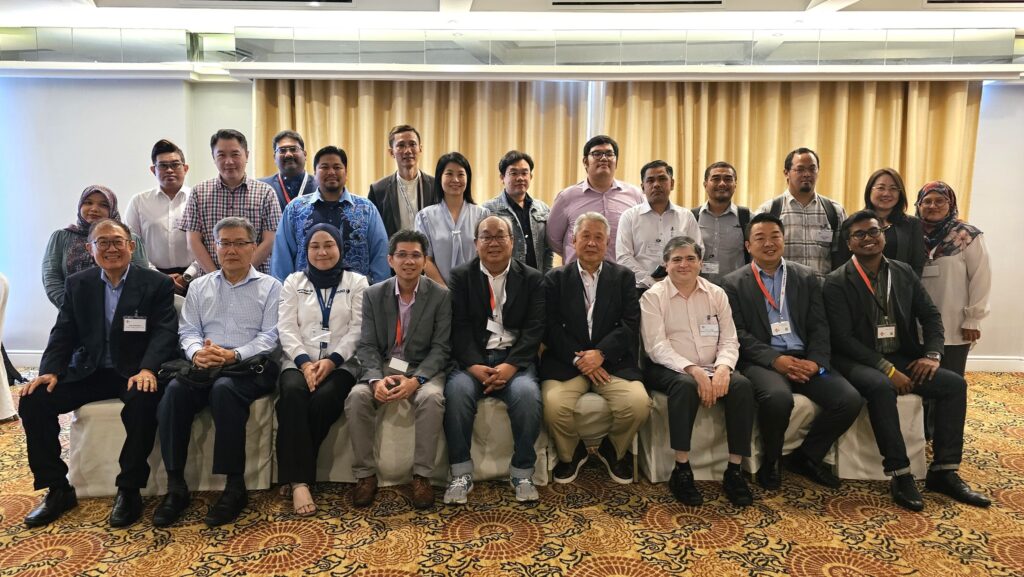
In today’s fast-changing technology landscape, the cloud has become a powerful catalyst for business transformation. The Cloud Evolution: Driving Operational Efficiency and Growth Day, hosted by TDI APJ with SAP, explored how cloud ERP helps organizations run more efficiently today and grow with confidence tomorrow.
Our speakers, Mr. Colin Lian of TDI APJ and Mr. Addy Lim of SAP, shared one clear message: the cloud is more than technology. It is about turning potential into real business results.
Why the cloud is more than technology
Many organizations still see the cloud as a hosting decision: where the servers sit. However, the real value of cloud ERP lies in how it changes the way a business operates.
- Standard processes, built in: cloud ERP comes with industry best practices, so teams adopt proven processes instead of maintaining heavy customizations.
- Always up to date: regular updates bring new capabilities, including AI, without large upgrade projects.
- Less infrastructure to manage: IT teams spend less time on servers and more time on business improvement.
- One source of truth: finance, sales, purchasing, inventory, and operations work from the same real-time data.
Driving operational efficiency with cloud ERP
According to TDI APJ’s experience, SAP Cloud ERP helps organizations meet a rapidly changing business environment in several ways:
- High-volume processing with real-time insight: transactions and analytics run on the same platform, so managers see current figures instead of last month’s reports.
- Improved user experience: a simplified, role-based interface helps users work faster and reduces training effort.
- Optimized data footprint: a simpler data model reduces complexity and cost.
- Scalable platform: the system grows with the business, from one entity to many.
As a result, organizations reduce manual work, close their books faster, and gain better control over cost. Read more: why finance leaders start digital transformation with cloud ERP.
Driving growth: think big, start small
Efficiency is only half the story. The cloud also opens the door to growth, because it lets organizations start with what they need now and expand step by step:
- Expand to new entities and markets on the same platform, without rebuilding infrastructure.
- Add new capabilities such as analytics and planning, procurement, people management, or customer experience solutions as the business matures.
- Adopt intelligent technologies such as predictive analytics, machine learning, and process automation on a clean, standard core.
For small and midsize businesses, SAP Business One offers a simpler starting point, covering accounting, sales, purchasing, inventory, and production in one system.
Which path to the cloud is right for you?
There is no one-size-fits-all route. The right path depends on where the business is today:
- Growing companies starting fresh: SAP Cloud ERP (public) through SAP GROW, with fast, standard implementation.
- Large enterprises with complex needs: SAP Cloud ERP Private through RISE with SAP, combining flexibility with the benefits of the cloud.
- Existing SAP ECC customers: a structured move to SAP S/4HANA with Conversion Plus, done off-site, on-site, or as a hybrid, with minimal disruption to the business.
How TDI APJ makes cloud ERP projects succeed
Technology alone does not guarantee results. TDI APJ follows the SAP Activate methodology and adds two steps that address the most common challenges in ERP projects:
1. Understanding SAP before design
Before design workshops begin, TDI APJ runs overview sessions on the core SAP modules. Participants understand how SAP works, so they can map their business to SAP best practices more effectively and make better design decisions.
2. Accelerating user adoption after go-live
User adoption is key to getting value from ERP. Therefore, TDI APJ can review adoption in the third and sixth month after go-live, uncovering gaps and process changes where users need support.
Ongoing support with AMS
After go-live, TDI APJ’s application management services (AMS) provide level-2 functional and technical support, change requests, system reviews, mini projects, and training. This way, the system keeps improving as the business evolves.
About TDI APJ
Founded in Singapore in 1998, TDI APJ is part of TDI Group (Japan) and has offices in Singapore, Vietnam, Malaysia, Indonesia, and Japan. As an SAP partner with over 28 years of experience, TDI APJ has delivered more than 300 SAP projects in over 15 countries, with a strong focus on retail, consumer products, and manufacturing.
Beyond SAP implementation, TDI APJ has developed its own solutions, including RetailPlus for retail on SAP and RetailPlus FrontOffice, a multi-segment POS with native SAP integration. Learn more about TDI APJ.
Ready to start your cloud journey? Contact TDI APJ to discuss how cloud ERP can drive efficiency and growth for your business.
SAP Innovation Day showcased cloud technology trends and how they are reshaping modern businesses. As a sponsor of the event, TDI APJ joined SAP experts and business leaders to discuss what the cloud makes possible, and what it takes to get there.

Key themes
- Faster decisions and collaboration through AI: when AI is built into business systems, users get data and recommendations inside their daily work instead of waiting for reports.
- Overcoming regulatory barriers to expand globally: the cloud helps businesses meet legal requirements in multiple markets without rebuilding systems in each country.
Expanding abroad: the barrier is often the system, not the market
When opening a subsidiary in a new country, companies usually prepare carefully for the market, partners, and people. What tends to be underestimated is the system: accounting standards, tax, e-invoicing, and statutory reporting differ in every country. If each entity picks its own software, headquarters loses consolidated visibility exactly when it needs it most.
On the other hand, forcing every subsidiary onto the parent company’s full system is not always the right answer either. It can be costly, slow to deploy, and too complex for a small entity. A more balanced approach is a cloud ERP already localized for each market, such as SAP Cloud ERP, or a two-tier ERP model, where subsidiaries run a lighter system that still connects to headquarters.
For example, Kajima Malaysia, a subsidiary of a Japanese construction group, went live on SAP Cloud ERP with TDI APJ to meet local requirements while aligning with global reporting standards. Read more on the cloud’s role in efficiency and growth: The Cloud Evolution.
Planning your next market?
TDI APJ is an SAP partner with over 28 years of experience and more than 300 SAP projects in over 15 countries, supporting businesses in Vietnam, Malaysia, Singapore, and Indonesia. If you are preparing to set up an entity in a new market, discuss your subsidiary ERP strategy with TDI APJ before choosing a system.
On March 22, 2024, TDI APJ hosted Cloud Horizon: Revolutionizing Manufacturing with AI-Powered Cloud, bringing together leaders from manufacturing companies in Hanoi and neighbouring provinces. The event focused on one practical question: where AI in manufacturing actually creates value today, and what a factory needs in place before it can benefit.
What manufacturers brought to the table
The discussions centred on three recurring issues: information moving slowly between production, warehouse and finance; data spread across spreadsheets and separate systems; and limited visibility into how materials, machines and people are actually used. Speakers presented AI-based solutions for each of these areas, with a focus on improving productivity and resource efficiency rather than on technology for its own sake.
Why AI in manufacturing often stalls after the pilot
A pattern familiar to many factories: an AI pilot for demand forecasting or quality inspection works well in a demo, then delivers little once it meets real operations. The usual cause is not the model. Forecasts depend on clean sales and inventory history, and maintenance predictions depend on reliable machine and work-order records. When production data lives in Excel, inventory in one system and costs in another, the AI has nothing consistent to learn from.
For most manufacturers, the first AI project is therefore really a data project: agreeing on one set of master data for materials, BOMs and routings, and connecting production with inventory and finance in a single system.
Choosing where to start
The trade-off leaders face is between quick wins and foundations. Starting with a standalone AI tool is faster but tends to create another data silo. Starting with an ERP foundation takes longer but lets each later AI use case reuse the same data. A practical middle path is to pick one use case tied to a visible cost line, such as inventory holding, production scheduling or unplanned downtime, and build the data foundation needed for that case first.
Cloud ERP makes this path easier for midsize manufacturers, since infrastructure and upgrades are handled by the vendor and new capabilities, including embedded AI, arrive through regular releases. SAP Cloud ERP (formerly SAP S/4HANA Cloud Public Edition) is one option designed for this approach.
How TDI APJ supports manufacturers
As an SAP partner with over 28 years of experience and 300+ SAP projects across 15+ countries, TDI APJ helps manufacturers assess data readiness, define the first use case, and implement SAP solutions that connect production, inventory and finance.
Plan your first AI use case in manufacturing
If your factory is considering AI but is unsure whether your data is ready, contact TDI APJ to review your current systems and identify the use case worth starting with.
Why do so many growing businesses choose SAP for midsize companies as their foundation? Because at a certain stage, the tools that helped a company start begin to hold it back. Spreadsheets multiply, systems stop talking to each other, and every new market or business unit adds complexity. SAP gives midsize companies a proven foundation to connect, grow, and innovate, so they can tackle today’s challenges and prepare for tomorrow’s opportunities.
The midsize dilemma: outgrow it or overpay for it?
Midsize companies often face a difficult choice. On one hand, entry-level systems are affordable but quickly reach their limits as the business grows. On the other hand, large enterprise systems can feel too complex and too costly for where the company is today.
SAP GROW is designed to remove this dilemma. Companies launch with what they need now and add capabilities as they grow, on one system, without re-implementing or re-platforming later.
One foundation for finance, supply chain, and HR
At the core of SAP GROW is SAP Cloud ERP (formerly SAP S/4HANA Cloud Public Edition), with AI built into everyday business processes:
Finance that closes faster
AI-powered automation removes bottlenecks across order-to-cash, procure-to-pay, and record-to-report. Finance teams get key insights earlier and close each period faster and with more confidence. Read more: why finance leaders start digital transformation with cloud ERP.
A more resilient supply chain
Production, logistics, warehousing, and maintenance are connected, giving end-to-end visibility. As a result, operations stay synchronized and teams can respond quickly when demand or supply changes. Read more: why ERP matters for supply chain management.
HR that is proactive, not reactive
Core HR, time tracking, and payroll are streamlined and integrated with finance through SAP SuccessFactors. Self-service tools reduce manual work and help the company adapt as the workforce evolves.
Five reasons midsize companies choose SAP
1. Built-in AI, from day one
AI is embedded inside core processes rather than added on later. For example, it can flag real exceptions, support billing and cash management, and help users find answers through Joule, SAP’s AI assistant. Over time, this value compounds as the business grows.
2. Industry depth with global reach
SAP Cloud ERP comes with preconfigured, industry-specific workflows and best practices, covering more than 25 industries and more than 190 countries. Companies can go live in weeks using proven processes and data models, instead of designing everything from scratch.
3. Easy to start, made to expand
Businesses can start with finance, supply chain, or HR and activate more capabilities when they are ready. Expanding into new markets, acquisitions, or business units does not require replacing the system.
4. Predictable costs
Simplified packages with defined scope help companies avoid scope creep, surprise upgrades, and hidden costs. In addition, the cloud subscription model removes the need for large upfront infrastructure investment.
5. Security and compliance, always up to date
SAP Cloud ERP runs on SAP’s cloud infrastructure with a 99.9% service-level agreement and continuous threat and vulnerability management. Compliance and regulatory updates, including tax and statutory reporting, are delivered automatically for many countries, so the business stays current without manual effort.
Is SAP GROW right for your business?
SAP GROW is a strong fit if your company:
- Is outgrowing entry-level accounting or ERP software
- Wants to unify finance, supply chain, and HR on a single platform
- Plans to expand into new markets or add new entities
- Wants embedded AI that delivers value from the start, not after years of customization
For smaller businesses that need a simpler starting point, SAP Business One may be a better fit. For large enterprises with complex requirements, SAP Cloud ERP Private through RISE with SAP offers more flexibility. To compare the basics, see what is ERP.
Why the right partner matters
With SAP GROW, qualified SAP partners deliver a standardized implementation designed for fast, low-risk go-lives. A good partner brings:
- Industry and regional expertise: knowledge of how your industry works and what local regulations require.
- Defined scope, defined outcome: a clear launch scope that keeps the project focused and controlled.
- Lower risk: SAP-approved tools, templates, and methodologies instead of a costly custom build.
- Business continuity: priority on essential workflows, so teams stay productive during go-live.
For instance, Kajima Malaysia went live on SAP Cloud ERP through SAP GROW with TDI APJ. Read the story: construction ERP in Malaysia.
Grow with TDI APJ
TDI APJ is an SAP partner with over 28 years of experience and more than 300 SAP projects in over 15 countries. We help midsize companies in Vietnam, Malaysia, Singapore, and Indonesia implement SAP Cloud ERP through SAP GROW, from planning and fit-to-standard design to go-live and ongoing support.
Ready to grow with SAP? Contact TDI APJ to find the right starting point for your business.